Skip to content

Local Kansas City home financing since 1997

Kansas City Mortgage Lenders & Mortgage Brokers | Local Home Loan Experts Since 1997

Compare home loan options with an experienced local team serving homebuyers and homeowners across Kansas City, Missouri, and the surrounding bi-state metro. Metropolitan Mortgage combines personalized guidance, broad program access and local processing from pre-approval through closing.

  • Purchase and refinance options
  • Kansas and Missouri lending
  • Local mortgage guidance
  • NMLS #227722
Since 1997Local mortgage experience
Bi-State ServiceKansas and Missouri
Purchase + RefinanceOptions for changing goals
Local SupportGuidance through closing

Start with the right comparison

How to Choose a Kansas City Mortgage Lender

The best lender is not automatically the company advertising the lowest headline rate. A strong mortgage comparison considers the complete financing structure, the lender’s process and whether the team can execute within your contract timeline.

Compare the same loan scenario

Ask each lender to price the same loan amount, property type, occupancy, down payment, lock period and credit profile. Otherwise, the quotes may look comparable while using different assumptions.

Review rate, APR and total costs

The interest rate affects the payment, but APR and lender fees help reveal the cost of obtaining that rate. Compare discount points, origination charges and lender credits together.

Evaluate the closing process

Ask who handles processing and underwriting, how quickly questions are answered, and whether the lender can meet your financing contingency and closing date.

Match the lender to your loan type

A first-time buyer using FHA financing may need different expertise than a self-employed jumbo borrower or a homeowner comparing a cash-out refinance with a home equity loan.

Look for local market familiarity

Kansas City spans two states and multiple counties. Local knowledge can help with property taxes, insurance estimates, appraisal expectations, contract customs and neighborhood-specific questions.

Confirm licensing and transparency

Verify the company and loan professional through NMLS Consumer Access, review written disclosures and make sure the terms being discussed are reflected in the official loan documents.

A useful rule: compare the financing package, not just one number. A slightly different rate may come with materially different points, lender credits, mortgage insurance or cash-to-close requirements.

Understand your options

Mortgage Lender vs. Mortgage Broker vs. Bank

Consumers often use these terms interchangeably, but the business models can differ. The right choice depends on the borrower, the property, the available programs and the quality of the team handling the loan.

Provider type How it works Potential strengths Questions to ask
Local mortgage lender Originates mortgages and may process, underwrite or fund loans through its own lending operation. Local accountability, direct communication and a process designed around residential lending. Which programs are available? Where are processing and underwriting handled?
Mortgage broker Works with multiple wholesale lenders to find a program and pricing structure for the borrower’s scenario. Broader lender access and flexibility for borrowers who do not fit one institution’s guidelines. How many lenders are being compared? How is the broker compensated?
Bank Offers mortgage products alongside checking, savings, credit cards and other financial services. Existing banking relationship and possible relationship-based benefits. Are discounts conditional on moving assets or opening accounts? Who services the application locally?
Credit union Member-owned institution offering products to eligible members. Member-focused service and potentially competitive portfolio products. What are the membership requirements? Is the desired loan program available?
Online lender Uses a primarily digital application and communication process, often across many states. Convenient technology and extended digital access. Who will manage the file? Is support available during negotiations, evenings or weekends?

When broader lender access can help

More program access may be useful for self-employed borrowers, investment properties, jumbo financing, unique income profiles or loans requiring guidelines outside a single bank’s standard menu.

When process control can help

A tightly coordinated local process may matter when a purchase contract has a short financing contingency, an appraisal issue needs quick attention or the borrower wants one accountable team from application to closing.

Loan programs for different goals

Kansas City Mortgage Loan Options

A mortgage should be selected around your finances and long-term plan—not simply around the most familiar loan name. Explore the major purchase, refinance and equity options available through Metropolitan Mortgage.

Conventional Loans

Flexible fixed- and adjustable-rate options for primary residences, second homes and investment properties. Some qualified buyers may be eligible for low-down-payment structures.

Explore conventional loans in Kansas City →

FHA Loans

Government-insured financing with a 3.5% minimum down payment for qualifying borrowers and guidelines that may be more flexible than conventional financing.

Review FHA loan options →

VA Home Loans

Eligible veterans, active-duty service members and certain surviving spouses may qualify for financing with no required down payment and no monthly private mortgage insurance.

Learn about VA loans in Kansas City →

USDA Loans

Qualified buyers purchasing an eligible property may use USDA financing with no required down payment, subject to location, household income and program guidelines.

Compare available loan programs →

Jumbo Loans

Financing for loan amounts above applicable conforming limits, with underwriting designed for high-value homes and borrowers with more complex asset or income profiles.

Compare jumbo mortgage options →

First-Time Home Buyer Options

Guidance for comparing down payments, mortgage insurance, closing costs and loan programs when purchasing your first home in the Kansas City metro.

Explore first-time buyer programs →

Mortgage Refinance

Review rate-and-term, no-cost, streamline and cash-out structures when you want to change your payment, loan term, rate type or access home equity.

Compare Kansas City refinance options →

Home Equity Loans

Use a separate second mortgage to access equity while leaving an existing first mortgage in place, subject to credit, equity and underwriting requirements.

Review home equity loan options →

Specialty Financing

Borrowers with investment, portfolio, self-employment or property-specific needs may benefit from a broader review of available programs and documentation strategies.

View all mortgage loan programs →

Beyond the advertised rate

How to Compare Mortgage Quotes Correctly

Two lenders can quote the same interest rate while presenting very different total costs. Request a written Loan Estimate once you have applied and compare the figures using a consistent scenario.

Compare these cost items

  • Interest rate
  • Annual percentage rate
  • Discount points
  • Lender origination charges
  • Lender credits
  • Mortgage insurance
  • Estimated cash to close
  • Monthly principal and interest

Do not judge the lender by these pass-through items alone

Property taxes, homeowners insurance, title charges, prepaid interest and escrow deposits can change the bottom-line estimate, but many are not controlled by the lender. Ask which charges are lender-controlled and which are third-party estimates.

Also confirm whether a quote includes a locked rate. An unlocked estimate can change with the market before closing.

Rate-shopping tip: request competing quotes within a short period and use the same property value, loan amount, occupancy, credit assumptions, loan term and lock period. This creates a more meaningful comparison.

Current local rate information

Kansas City Mortgage Rates

Mortgage pricing changes with financial markets and varies by credit profile, down payment, property type, occupancy, loan program, points and lock period. Use our Kansas City rate page to compare current purchase and refinance examples, then request a personalized quote for your actual scenario.

Rates and APRs are scenario-specific and may change without notice. A displayed rate is not a commitment to lend or a guarantee that a borrower will qualify.

From planning to keys

The Kansas City Mortgage Process

A clear process helps reduce surprises and gives your real estate agent and seller greater confidence in the financing.

Pre-approval

Review income, assets, credit and estimated housing expenses. Determine a practical price range and compare likely loan programs before touring homes.

Offer and application

Once under contract, confirm the property, choose the loan structure, submit the formal application and review disclosures and estimated costs.

Processing and underwriting

The lender verifies documentation, orders required third-party services, reviews the appraisal and resolves underwriting conditions.

Final approval and closing

Review the Closing Disclosure, complete final verification requirements, arrange funds and sign the closing documents with the settlement provider.

Local financing context

Why Kansas City Market Knowledge Matters

Kansas City is a bi-state housing market with meaningful differences in property taxes, insurance, municipal requirements, price points and available housing stock. A borrower purchasing in Jackson County may have a different monthly escrow profile than a borrower purchasing in Johnson County, even when the home prices are similar.

Local knowledge is especially valuable when estimating a realistic payment, preparing an offer, reviewing an appraisal or selecting between conforming and jumbo financing. It also helps the lending team coordinate with local real estate agents, title companies, insurance professionals and appraisers.

Read the latest Kansas City housing market report →

Questions worth asking

What to Ask Every Mortgage Lender

A thorough conversation should help you understand both the loan and the team responsible for delivering it.

Loan structure

Which loan programs fit my goals? What down payment is required? Is the rate fixed or adjustable? When would mortgage insurance apply?

Rate and fees

Is the rate locked? How long is the lock? Are discount points included? What lender credits or origination charges apply?

Process and timing

Who will process and underwrite the loan? What documentation is still needed? Can the lender meet the contract closing date?

Communication

Who is my primary contact? How are milestone updates provided? Is someone available when an urgent offer or contract question arises?

Local costs

How are property taxes, homeowners insurance and escrow deposits being estimated for the county and city where I am buying?

Long-term fit

How long do I expect to keep the loan? Does paying points make sense? Would a shorter term or different down payment improve the overall plan?

Serving the bi-state metro

Kansas City Areas We Serve

Metropolitan Mortgage serves eligible borrowers throughout the Kansas City metropolitan area and across Kansas and Missouri, including the following communities and counties.

Kansas City, Missouri

Downtown, Crossroads, River Market, Northland, Brookside, Waldo, Plaza, South Kansas City and surrounding neighborhoods.

Missouri suburbs

Lee’s Summit, Blue Springs, Independence, Liberty, Gladstone, Parkville, Riverside, Belton, Raymore, Grandview and nearby communities.

Kansas suburbs

Overland Park, Olathe, Lenexa, Shawnee, Leawood, Prairie Village, Mission, Merriam, Kansas City, Kansas and surrounding areas.

Missouri counties

Jackson, Clay, Platte and Cass counties, plus other eligible locations throughout Missouri.

Kansas counties

Johnson, Wyandotte, Leavenworth and Miami counties, plus other eligible locations throughout Kansas.

Overland Park office

Purchasing on the Kansas side? Visit our Overland Park mortgage lender page for office and local service information.

Experienced local guidance

Meet Metropolitan Mortgage Corporation

Kansas City mortgage professional Rick Woodruff

Local mortgage experience backed by a dedicated team

Metropolitan Mortgage Corporation has served homebuyers and homeowners since 1997. The company provides residential mortgage guidance for purchases, refinances and home equity needs across Kansas and Missouri.

Borrowers work with mortgage professionals who can explain program guidelines, compare structures and coordinate the application through closing. Rick Woodruff, NMLS #248984, brings decades of mortgage industry experience to the team.

Learn more about Rick Woodruff and the lending team →

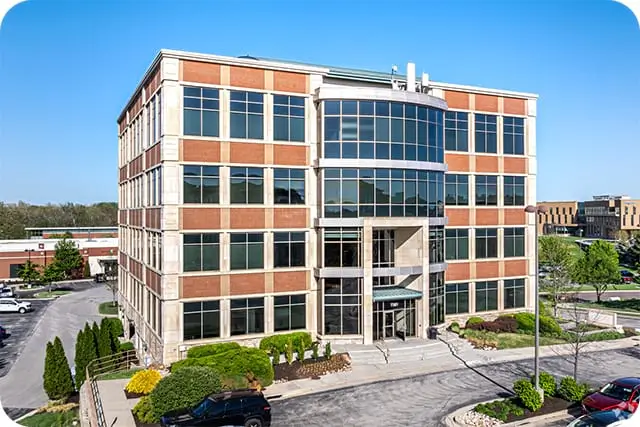
Kansas City office

Contact a Kansas City Mortgage Lender

Metropolitan Mortgage Corporation
1828 Walnut Street, 4th Floor
Kansas City, MO 64108

Phone: 913.642.8300
Hours: Monday–Sunday, 8:30 a.m.–5:30 p.m.
Appointments may be available outside regular hours.

Prepare for a stronger offer

Get Mortgage Pre-Approved

A mortgage pre-approval can help you establish a price range, estimate funds needed for closing and show sellers that a lender has reviewed your core financial information.

Pre-approval is not a loan commitment and remains subject to complete documentation, satisfactory property review, underwriting and final approval.

Kansas City mortgage questions

Frequently Asked Questions

What is the difference between a mortgage lender and a mortgage broker?

A mortgage lender originates and funds mortgage loans directly or through its lending platform. A mortgage broker works with multiple wholesale lenders to locate financing for a borrower. The practical value depends on program access, pricing, service and execution—not simply the label used by the company.

How do I compare Kansas City mortgage lenders?

Compare the same loan scenario across lenders, including loan amount, down payment, property type, occupancy, term, lock period and credit assumptions. Review interest rate, APR, points, lender fees, credits, mortgage insurance, cash to close and the lender’s ability to meet your closing timeline.

Is a local mortgage lender better than a national lender?

Neither option is automatically better. A local lender may offer easier access to the team, familiarity with area contracts and local cost estimates, and closer coordination with local real estate professionals. A national lender may offer a large technology platform or an existing banking relationship. Compare the complete service and financing package.

How much money do I need for a down payment?

The requirement depends on the loan program, occupancy, property type and borrower qualifications. Some conventional programs may allow as little as 3% down for qualifying borrowers, FHA typically requires at least 3.5%, and eligible VA or USDA borrowers may qualify without a required down payment. Closing costs and reserves may still apply.

What credit score is needed for a mortgage?

Minimum credit requirements vary by loan program, investor and the rest of the borrower’s profile. A higher score may improve available pricing, but income stability, debt-to-income ratio, down payment, reserves and recent credit history also matter. A mortgage review can identify realistic options without assuming one universal cutoff.

How fast can I get pre-approved?

Timing depends on the completeness and complexity of the application. Same-day pre-approval may be available when a qualified borrower provides the required income, asset, identification and credit information promptly. Additional documentation may be needed for self-employment, variable income, gift funds or complex assets.

Does a pre-approval guarantee final loan approval?

No. A pre-approval is a preliminary credit decision based on information reviewed at that time. Final approval remains subject to complete documentation, underwriting, acceptable property valuation, title, insurance, unchanged borrower qualifications and other loan conditions.

Should I pay discount points to lower my mortgage rate?

Points may make sense when the upfront cost produces enough monthly savings during the period you expect to keep the loan. Calculate the approximate break-even period and compare it with your expected time in the home and likelihood of refinancing. A lender credit may be more appropriate when reducing upfront cash is the priority.

Are mortgage rates the same for every borrower?

No. Rates can vary based on credit profile, down payment or equity, loan amount, occupancy, property type, program, term, lock period, points and market conditions. Personalized pricing is more useful than a generic advertised rate.

What mortgage programs are available for first-time buyers?

First-time buyers may consider conventional low-down-payment options, FHA, VA or USDA financing when eligible. The best fit depends on available funds, credit, income, location, property type and how long the buyer expects to keep the loan.

Can I get a mortgage if I am self-employed?

Yes, provided income and business stability can be documented under the selected program’s guidelines. Tax returns, business returns, year-to-date profit-and-loss statements, balance sheets or other documentation may be required. Planning early can help identify deductions or income trends that affect qualifying income.

What is the difference between interest rate and APR?

The interest rate is used to calculate principal and interest payments. APR is a broader annualized measure that incorporates certain finance charges associated with obtaining the loan. APR can help compare offers, but borrowers should also examine actual cash to close and how long they expect to keep the mortgage.

When should I lock my mortgage rate?

A rate lock protects eligible pricing for a specified period while the loan moves toward closing. The decision depends on the contract timeline, market conditions, lock cost and risk tolerance. Locking too briefly can create extension costs, while waiting leaves the rate exposed to market movement.

Do Kansas and Missouri property taxes affect mortgage approval?

Yes. Estimated property taxes are included in the monthly housing expense used for qualification and can affect affordability. Tax levels vary by state, county, city and property, so a local estimate is preferable to using a generic percentage.

Can Metropolitan Mortgage help with refinancing and home equity?

Yes. Homeowners can review rate-and-term refinance, cash-out refinance, streamline refinance, no-cost structures and home equity loan options. The right approach depends on the existing mortgage, current equity, credit, goals, closing costs and expected time horizon.

Your next step

Compare Your Kansas City Mortgage Options

Get a personalized review of potential loan programs, current pricing, estimated monthly payments and cash-to-close considerations. Metropolitan Mortgage serves qualified borrowers throughout Kansas City and across Kansas and Missouri.

Metropolitan Mortgage Corporation | NMLS #227722 | Equal Housing Opportunity. All loans are subject to credit approval, underwriting guidelines and property eligibility. This page is for informational purposes and is not a commitment to lend.

Back To Top