Buying your first home in 2026 is one of the most rewarding milestones you’ll ever…
Understanding Your Credit Report: A Comprehensive Guide
In today’s financial landscape, your credit report is more than just a piece of paper—it’s a snapshot of your financial history that can open doors to loans, mortgages, jobs, and even rental agreements. Yet, many people view it as a mysterious black box, only checking it when something goes wrong. Understanding your credit report empowers you to take control of your finances, spot errors, and build a stronger credit profile. In this post, we’ll demystify the credit report, breaking it down section by section, and provide practical tips to make the most of it. Whether you’re a first-time homebuyer or just curious about your financial health, let’s dive in.
What Is a Credit Report, and Why Does It Matter?
At its core, a credit report is a detailed record compiled by the three major credit bureaus—Equifax, Experian, and TransUnion—that tracks your borrowing and repayment behavior. It’s not the same as your credit score, which is a numerical summary derived from the report (more on that later). Lenders, landlords, and employers use this report to assess your reliability as a borrower or tenant.
Why should you care? A strong credit report can lead to lower interest rates on loans, saving you thousands over time. Conversely, inaccuracies or negative items can hinder your access to credit or increase costs. According to the Federal Trade Commission, about one in five consumers has an error on their credit report that could affect their score. Regularly reviewing yours isn’t just smart—it’s essential for protecting your financial future.
In the U.S., you’re entitled to one free credit report per year from each bureau via AnnualCreditReport.com. During economic hardships, like the COVID-19 pandemic, access was expanded to weekly free reports—a practice that continues today. Don’t confuse this with services like Credit Karma, which offer free scores but not always full reports.
The Key Sections of Your Credit Report
Credit reports are structured similarly across bureaus, though formats may vary slightly. Here’s a breakdown of the main components:
1. Personal Information
This section lists basic details like your name, Social Security number, date of birth, current and previous addresses, and employment history. It might seem mundane, but inaccuracies here can signal identity theft or mix-ups with someone else’s file.
For instance, if an old address from a decade ago is listed incorrectly, it could link you to another person’s debts. Always verify this info and dispute errors promptly. Bureaus must investigate disputes within 30 days, often resolving them in your favor if documentation supports your claim.
2. Credit Accounts
This is the meat of the report: a history of your credit cards, loans, mortgages, and other accounts. Each entry includes the creditor’s name, account number (partially redacted for security), opening date, credit limit or loan amount, current balance, payment history, and status (open, closed, or in collections).
Payment history is crucial, accounting for about 35% of your FICO score. Late payments are noted with codes like “30 days past due” and can linger for seven years. Positive info, like on-time payments, stays longer—up to 10 years.
Look for revolving accounts (like credit cards) versus installment accounts (like auto loans). High utilization on revolving credit—say, using 80% of your limit—can hurt your score, even if you pay in full monthly. Aim to keep utilization below 30%.
3. Credit Inquiries
Inquiries track who has accessed your report. There are two types: hard and soft.
- Hard inquiries occur when you apply for new credit, like a loan or card. These can slightly lower your score and stay for two years, visible to lenders for one year. Too many in a short period might signal desperation to creditors.
- Soft inquiries happen for background checks, pre-approvals, or when you check your own report. They don’t affect your score and aren’t visible to others.
If you see unauthorized hard inquiries, it could indicate fraud. Dispute them immediately.
4. Public Records and Collections
This section covers legal financial matters, such as bankruptcies, foreclosures, liens, or civil judgments. Bankruptcies can remain for 7–10 years, depending on the type.
Collections appear if unpaid debts are sent to agencies. Even small medical bills can end up here if overlooked. Paying off a collection doesn’t remove it but updates the status to “paid,” which is better than “unpaid.”
Not all negative info is permanent. Most derogatory marks fall off after seven years, giving you a fresh start.
Credit Report vs. Credit Score: Clearing the Confusion
People often use “credit report” and “credit score” interchangeably, but they’re distinct. The report is the raw data; the score is an interpretation. FICO and VantageScore are the most common models.
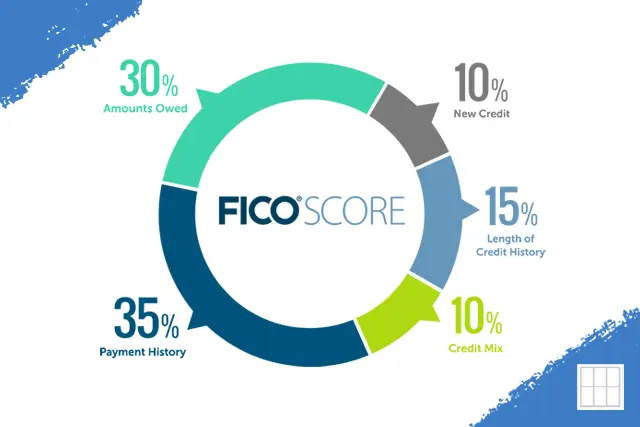
FICO scores range from 300–850, with 670+ considered good. Factors include:
- Payment history (35%)
- Amounts owed (30%)
- Length of credit history (15%)
- New credit (10%)
- Credit mix (10%)
Your score can vary by bureau due to differences in reported data. Monitoring all three reports ensures consistency.
Common Myths About Credit Reports
Let’s debunk some misconceptions:
- Myth: Checking your report hurts your score.Fact: Self-checks are soft inquiries and harmless.
- Myth: Closing old accounts boosts your score.Fact: It can shorten your credit history and raise utilization, potentially lowering your score.
- Myth: You need debt to build credit.Fact: Responsible use, like paying a credit card on time, builds credit without needing loans.
- Myth: All debts are equal.Fact: Recent late payments hurt more than old ones, and medical collections under $500 may not affect scores under newer models.
Understanding these myths prevents costly mistakes.
Tips for Improving and Maintaining Your Credit Report
Now that you know what’s in your report, here’s how to enhance it:
- Pay on time, every time. Set up autopay for bills to avoid oversights.
- Reduce debt. Focus on high-interest accounts first. Consider balance transfers for credit cards.
- Dispute errors. Use online portals from bureaus or mail certified letters with evidence.
- Build credit wisely. If you’re new to credit, start with a secured card or become an authorized user on a family member’s account.
- Limit new applications. Space out credit requests to minimize hard inquiries.
- Monitor regularly. Use free tools or paid services for alerts on changes.
For those with poor credit, patience is key. Time heals most wounds, but consistent positive behavior accelerates recovery.
Internationally, credit systems vary. In the UK, for example, reports come from Experian, Equifax, and equivalents like Callcredit (now part of TransUnion). Principles remain similar: accuracy and responsibility.
Potential Pitfalls and Protections
Be wary of credit repair scams promising to “erase” legitimate negatives—they can’t. Legitimate services help dispute errors but charge fees you could avoid by doing it yourself.
Under the Fair Credit Reporting Act (FCRA), you have rights: free reports, dispute processes, and limits on how long info stays. If identity theft strikes, place a fraud alert or credit freeze to block unauthorized access.
In a digital age, data breaches are common. Equifax’s 2017 hack exposed millions—another reason to monitor vigilantly.
Conclusion: Empower Yourself with Knowledge
Your credit report isn’t set in stone; it’s a living document reflecting your financial choices. By understanding its components, spotting issues early, and adopting healthy habits, you can turn it into a powerful asset. Start today: pull your free reports from AnnualCreditReport.com, review them thoroughly, and take action where needed. Financial freedom begins with awareness—don’t let your credit report control you; control it instead.

Related Posts