In a competitive real estate market, timing is everything. You may find your dream home…
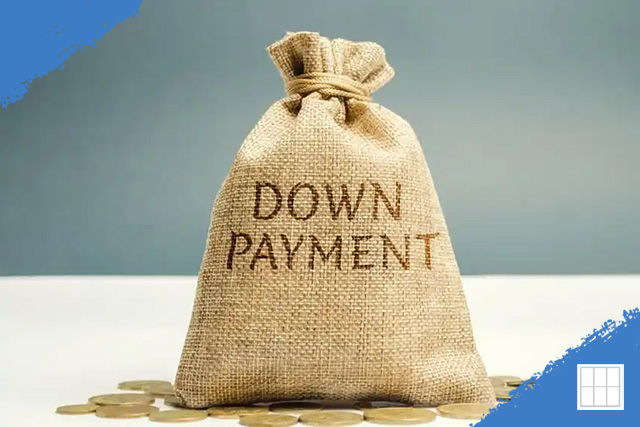
How to Save for a Down Payment: 12 Smart Strategies to Buy a Home Sooner
Saving for a down payment is one of the biggest hurdles many homebuyers face. The good news is that buying a home often requires far less cash upfront than most people expect. Whether you’re purchasing your first home or planning your next move, understanding how much you need—and how to save efficiently—can help you reach your homeownership goals sooner.
At Metropolitan Mortgage, we’ve helped Kansas City homebuyers navigate the mortgage process since 1997. One of the most common misconceptions we hear is that buyers need a 20% down payment. While that may make sense in some situations, many loan programs allow qualified borrowers to purchase a home with much less.
In this guide, we’ll explain how much you may need for a down payment, practical ways to build your savings faster, common mistakes to avoid, and how getting pre-approved early can help you create a realistic savings plan.
Table of Contents
- What Is a Down Payment?
- How Much Do You Need?
- Common Loan Program Requirements
- Create a Savings Plan
- 12 Ways to Save Faster
- Mistakes to Avoid
- Don’t Forget Closing Costs
- Frequently Asked Questions
What Is a Down Payment?
A down payment is the portion of a home’s purchase price that you pay upfront when buying a property. Your mortgage lender finances the remaining balance.
For example, if you purchase a $400,000 home and make a 5% down payment, you’ll contribute $20,000 while financing the remaining $380,000 through your mortgage.
Your down payment can influence:
- Your monthly mortgage payment
- Your loan amount
- Whether mortgage insurance is required
- Your interest rate in some situations
- Your available home equity on day one
While putting more money down can reduce your monthly payment, it isn’t always the best financial decision. Many buyers prefer keeping additional savings available for emergencies, home improvements, or unexpected expenses after closing.
How Much Down Payment Do You Really Need?
Many prospective buyers assume they need to save 20% before purchasing a home. In reality, today’s mortgage programs offer a variety of options depending on your financial situation and loan type.
| Loan Type | Typical Minimum Down Payment |
|---|---|
| Conventional | 3% for qualified buyers |
| FHA | 3.5% |
| VA | 0% |
| USDA | 0% |
| Jumbo | Varies by lender |
The right loan depends on your income, credit profile, property type, military eligibility, and long-term financial goals. A mortgage professional can help determine which option best fits your situation.
Understanding Your Loan Options
Conventional Loans
Conventional loans remain one of the most popular financing choices because they offer flexible terms and competitive interest rates. Qualified buyers may be able to purchase a home with as little as 3% down depending on the program.
Learn more: Conventional Home Loans
FHA Loans
FHA loans were created to help make homeownership more accessible. Many buyers qualify with a 3.5% down payment, making FHA financing a popular option for first-time buyers and those with limited savings.
Learn more: FHA Home Loans
VA Home Loans
Eligible veterans, active-duty military members, and certain surviving spouses may qualify for a VA loan requiring no down payment. This benefit has helped millions of military families purchase homes while preserving their savings.
Learn more: VA Home Loans
USDA Loans
Buyers purchasing homes in eligible rural communities may qualify for USDA financing with zero down payment requirements, provided they meet income and property eligibility guidelines.
Learn more: USDA Home Loans
Step One: Build a Realistic Savings Plan
Before opening a savings account or cutting expenses, determine exactly how much money you’ll need. A realistic goal keeps you motivated and prevents saving either too little or far more than necessary.
Remember that your total cash needed may include:
- Down payment
- Closing costs
- Earnest money deposit
- Moving expenses
- Initial repairs or furnishings
- Emergency savings after closing
Many Kansas City buyers are surprised to learn that these additional costs can add several thousand dollars beyond the down payment itself. Planning ahead helps avoid last-minute financial stress.
The easiest way to understand your target savings goal is by speaking with a mortgage professional early in the process. Even if you’re planning to buy six months or a year from now, a pre-approval conversation can provide a personalized roadmap.
Related: Mortgage Loan Process Guide
12 Smart Ways to Save for a Down Payment Faster
Saving for a down payment doesn’t happen overnight, but it also doesn’t have to take years. The key is creating a plan that fits your income, lifestyle, and homeownership timeline. Even small changes can add up over time and bring you closer to purchasing a home.
Here are twelve practical strategies that have helped many homebuyers successfully reach their savings goals.
1. Open a Dedicated Savings Account
One of the simplest ways to save more is to separate your down payment money from your everyday checking account. Keeping the funds in a dedicated high-yield savings account makes it easier to track your progress and reduces the temptation to spend the money on everyday expenses.
Consider naming the account something motivational, such as “Future Home” or “House Fund.” Seeing the balance grow each month can help keep you focused on your goal.
2. Automate Your Savings
Treat your savings like a monthly bill. Set up an automatic transfer every payday so money moves into your savings account before you have an opportunity to spend it.
Even saving $100 to $300 each paycheck can add up surprisingly quickly over the course of a year.
- Weekly transfers build consistency.
- Automatic deposits remove emotion from saving.
- Increasing contributions after raises or bonuses accelerates progress.
3. Build a Realistic Monthly Budget
You can’t improve what you don’t measure. Review your monthly income and expenses to identify areas where small adjustments can create meaningful savings.
Common opportunities include:
- Dining out less often
- Reducing entertainment expenses
- Shopping with a list
- Limiting impulse purchases
- Negotiating insurance or utility bills
The goal isn’t to eliminate everything you enjoy—it’s to intentionally redirect spending toward your future home.
4. Pay Off High-Interest Debt
Credit card balances with high interest rates make it difficult to save because a significant portion of your income goes toward interest instead of building wealth.
Reducing revolving debt may also improve your debt-to-income ratio, which lenders consider during the mortgage approval process.
If possible, focus on paying off your highest-interest balances first while continuing to make minimum payments on other accounts.
5. Save Windfalls Instead of Spending Them
Tax refunds, work bonuses, commission checks, overtime pay, and monetary gifts provide excellent opportunities to boost your savings without affecting your normal monthly budget.
Many successful homeowners reach their goal months sooner simply because they deposit unexpected income directly into their down payment fund.
6. Increase Your Income
If your timeline is aggressive, consider temporary ways to generate additional income.
Examples include:
- Freelance work
- Weekend consulting
- Food delivery or rideshare driving
- Selling unused items
- Seasonal employment
Even an extra few hundred dollars each month can make a meaningful difference over the course of a year.
7. Explore Down Payment Assistance Programs
Many buyers don’t realize that local, state, and national assistance programs may be available to qualified borrowers. Depending on your eligibility, these programs may offer grants, forgivable loans, or deferred-payment assistance that can significantly reduce the amount you need to save.
Eligibility often depends on factors such as income, location, first-time homebuyer status, and the type of mortgage you’re using.
Working with an experienced mortgage professional can help you determine whether you qualify for available assistance programs.
8. Ask About Gift Funds
Many mortgage programs allow family members to contribute gift funds toward your down payment. In some cases, gifts can also be used for closing costs.
If you’re planning to receive financial assistance, it’s important to work with your lender before transferring any money. Mortgage guidelines typically require documentation showing that the funds are a true gift rather than a loan that must be repaid.
9. Don’t Wait for 20%
One of the biggest mistakes prospective buyers make is delaying homeownership because they believe they must save a 20% down payment.
While putting 20% down can eliminate private mortgage insurance on many conventional loans, many qualified buyers purchase homes with significantly less.
Waiting several extra years to save 20% may actually cost more if home prices or interest rates increase during that time.
The right down payment isn’t necessarily the largest one—it’s the amount that supports your long-term financial goals while leaving enough savings for emergencies.
10. Keep Your Emergency Fund
Buying a home involves more than simply making a down payment. Every homeowner eventually faces unexpected expenses, whether it’s replacing an appliance, repairing a roof, or covering other maintenance costs.
Whenever possible, avoid using every available dollar toward your down payment. Maintaining an emergency fund after closing can provide valuable financial security.
11. Avoid Major Purchases Before Closing
Once you’re actively shopping for a home or have been pre-approved, avoid making large purchases on credit.
Examples include:
- New vehicles
- Furniture financed with promotional offers
- Large appliance purchases
- Opening additional credit cards
New debt can affect your debt-to-income ratio, your available cash reserves, and potentially your mortgage approval.
12. Get Pre-Approved Earlier Than You Think
One of the smartest financial decisions you can make is speaking with a mortgage professional before you’ve finished saving.
Many buyers assume they should wait until they’ve accumulated their full down payment. In reality, getting pre-approved early often helps buyers understand:
- How much cash they’ll actually need
- Which loan programs fit their goals
- How improving their credit could affect financing
- Whether assistance programs are available
- A realistic timeline for purchasing
Instead of guessing, you’ll have a personalized roadmap built around your financial situation.
Related: Mortgage Pre-Approval Guide
Should You Wait Until You Have a 20% Down Payment?
Not necessarily.
For some buyers, saving 20% is a smart financial goal. For others, waiting several additional years may mean paying higher home prices, higher interest rates, or continuing to rent while home values appreciate.
Today’s mortgage market offers financing options for many qualified buyers with significantly lower down payments than previous generations often expected.
The best approach depends on your personal financial goals, monthly budget, and long-term plans—not an arbitrary percentage.
Remember: Your Down Payment Isn’t Your Only Expense
One of the biggest surprises for first-time buyers is learning that the down payment is only one part of the cash needed to purchase a home.
You should also budget for:
- Closing costs
- Earnest money
- Home inspection
- Appraisal (when applicable)
- Moving expenses
- Utility deposits
- Immediate home maintenance
- Furniture or appliances
Planning for these costs ahead of time helps make the transition into homeownership much less stressful.
Common Down Payment Savings Mistakes to Avoid
A successful savings plan is about more than putting money aside each month. Avoiding financial missteps can be just as important as increasing the amount you save.
Assuming You Must Put 20% Down
A 20% down payment may help you avoid private mortgage insurance on a conventional loan, but it is not a universal home-buying requirement. Depending on the loan program and your qualifications, you may be able to purchase a home with substantially less.
Before delaying your plans for several years, compare the potential advantages of a larger down payment with the cost of waiting. Home prices, rent, interest rates, and your personal circumstances may all change during that time.
Saving Without a Specific Goal
It is difficult to measure progress when you do not know your target. Instead of simply trying to “save more,” establish a goal based on an estimated purchase price, loan program, closing costs, and desired emergency reserves.
A mortgage consultation can help replace rough online estimates with a savings target based on your actual financial profile.
Using Every Dollar for the Purchase
Putting every available dollar into a home purchase can leave you financially vulnerable after closing. Homes require maintenance, and unexpected expenses can arise shortly after you move in.
Whenever possible, build your plan around both the money needed to close and the savings you want to retain afterward.
Moving Money Without Documentation
Mortgage lenders generally review the source of funds used for a home purchase. Large, unexplained deposits or last-minute transfers between accounts can create additional documentation requirements.
Keep clear records of your savings, gifts, asset sales, and account transfers. Before receiving gift funds or moving a substantial amount of money, ask your mortgage professional how the transaction should be documented.
Draining a Retirement Account Too Quickly
Some retirement plans allow loans or withdrawals for a home purchase, but accessing retirement funds may involve taxes, penalties, repayment requirements, or lost investment growth.
Review the plan rules and speak with an appropriate tax or financial professional before using retirement savings for a down payment.
Taking on New Debt Before Buying
A new vehicle payment, financed furniture purchase, or additional credit card balance could affect the amount you qualify to borrow. It may also reduce the cash available for closing and increase your monthly obligations.
Before opening an account, co-signing a loan, or financing a major purchase, discuss the potential effect with your mortgage professional.
Saving for a Home in the Kansas City Market
Your savings goal should reflect the types of homes and neighborhoods you are considering. A buyer searching in Johnson County may need a different budget than someone purchasing in another part of the Kansas City metropolitan area.
Property taxes, homeowners insurance, homeowners association dues, commute preferences, and expected maintenance can also affect affordability. For that reason, it is helpful to establish a comfortable monthly housing budget before choosing a maximum purchase price.
As you build your plan, consider the following:
- The price range of homes that meet your needs
- Your desired monthly principal and interest payment
- Estimated property taxes and homeowners insurance
- Potential mortgage insurance
- Homeowners association dues, when applicable
- Expected repairs, improvements, and maintenance
- The savings you want to retain after closing
A larger down payment may reduce your loan amount, but it is only one part of the affordability equation. The objective is not simply to qualify for the highest possible purchase price. It is to choose a home and mortgage payment that fit comfortably within your broader financial plan.
Helpful resource: Use our down payment calculator to compare different purchase prices and down payment amounts.
How Long Does It Take to Save for a Down Payment?
Your timeline depends on your savings target, current balance, income, expenses, and the amount you can consistently contribute.
For example, imagine that your target is $24,000 and you have already saved $6,000. You would need another $18,000 to reach your goal.
- Saving $500 per month would take approximately 36 months.
- Saving $750 per month would take approximately 24 months.
- Saving $1,000 per month would take approximately 18 months.
- Saving $1,500 per month would take approximately 12 months.
Bonuses, tax refunds, gift funds, and assistance programs could shorten the timeline. Your target could also change after reviewing lower-down-payment financing options with a mortgage professional.
A Simple Down Payment Savings Formula
Use this calculation to estimate your timeline:
Remaining savings needed ÷ monthly savings amount = estimated number of months
For a more complete plan, include estimated closing costs and the emergency savings you want to retain after purchasing the home.
Can Down Payment Assistance Help?
Down payment assistance programs may help eligible buyers reduce the amount they need to provide from personal savings. Assistance can take several forms, including grants, deferred loans, forgivable loans, and subordinate financing.
Program requirements vary and may be based on:
- Household income
- Property location
- Purchase price
- Occupancy requirements
- Loan type
- Homebuyer education
- First-time homebuyer status
In many programs, a first-time homebuyer is someone who has not owned a primary residence during a specified prior period rather than someone who has never owned a home.
Assistance is not automatically the best option for every buyer. Some programs may affect the interest rate, loan terms, future refinancing options, or repayment obligations. Compare the entire financing structure rather than evaluating the assistance amount alone.
Why Pre-Approval Should Be Part of Your Savings Plan
Mortgage pre-approval is not only for buyers who are ready to make an offer. Starting the conversation early can help you understand what needs to happen before you begin shopping.
A mortgage professional can review your income, assets, credit, debts, and purchase goals to help estimate:
- A practical home-price range
- Potential loan options
- An appropriate down payment target
- Estimated closing costs
- Possible mortgage insurance
- Financial issues that may need attention
- A realistic home-buying timeline
For example, you may discover that you already have enough money to purchase using a lower-down-payment program. Alternatively, the review may identify an opportunity to reduce debt, improve credit, or accumulate additional reserves before applying.
Learn how mortgage pre-approval works or begin your secure application when you are ready.
Turn Your Savings Goal Into a Home-Buying Plan
You do not have to wait until you have saved 20% to learn what may be possible. Metropolitan Mortgage can help you compare loan programs, estimate the cash needed to close, and create a personalized path toward homeownership.
Serving Kansas and Missouri homebuyers since 1997.
Frequently Asked Questions About Saving for a Down Payment
How much should I save before buying a house?
The amount depends on the home price, loan program, closing costs, and the savings you want to retain after closing. Some qualified buyers may use conventional financing with as little as 3% down, FHA financing with 3.5% down, or eligible VA and USDA financing with no required down payment. Requirements and lender guidelines apply.
Do I need a 20% down payment?
No. A 20% down payment may help you avoid private mortgage insurance on many conventional loans, but numerous mortgage programs permit a smaller down payment. The best amount depends on your loan options, monthly budget, and financial priorities.
What is the fastest way to save for a down payment?
Start with a specific savings target, automate transfers after every payday, reduce selected expenses, direct bonuses and tax refunds into savings, and consider temporary additional income. Learning whether you qualify for a low-down-payment loan or assistance program may also reduce the amount you need to save.
Can someone give me money for my down payment?
Many mortgage programs permit eligible gift funds from acceptable donors. The lender will generally require documentation confirming the source of the funds and that the money is a gift rather than an undisclosed loan. Speak with your lender before transferring the funds.
Can I use my retirement account for a down payment?
Some retirement plans permit certain loans or withdrawals, but the rules, taxes, penalties, and repayment requirements vary. Review the plan documents and consult an appropriate tax or financial professional before taking money from a retirement account.
Should I pay off debt or save for a down payment first?
The best approach depends on the interest rate, monthly payment, account balance, and how the debt affects your mortgage qualification. Paying down high-interest revolving debt may reduce interest expenses and improve your debt-to-income ratio, but you may also need cash for closing and reserves.
Can I buy a house with no down payment?
Eligible borrowers may qualify for VA or USDA financing without a down payment. Each program has borrower, property, occupancy, and underwriting requirements. Closing costs and other expenses may still apply even when no down payment is required.
Does earnest money count toward my down payment?
Earnest money is generally credited toward the funds required at closing when the purchase is completed. It is not usually an additional cost on top of the final amount due, although the purchase contract determines when the deposit may be refundable or at risk.
How much should I keep in savings after closing?
There is no universal amount, but buyers should consider maintaining funds for emergencies, moving costs, repairs, maintenance, and other expenses. Certain loan scenarios may also require documented financial reserves.
When should I get pre-approved?
Consider beginning the mortgage conversation several months before you plan to buy. An early review can help you identify an appropriate savings target, compare loan programs, address possible credit or debt issues, and build a more reliable timeline.
Start Building Your Homeownership Plan
Saving for a down payment becomes easier when you have a clear target and understand your financing options. Begin by reviewing your budget, establishing an automatic savings habit, and separating your home funds from everyday spending.
Most importantly, do not assume that you must reach a 20% down payment before speaking with a lender. A personalized mortgage review can help you determine how much you may actually need and whether low-down-payment financing, gift funds, or assistance programs could fit your situation.
Metropolitan Mortgage has helped homebuyers throughout Kansas and Missouri since 1997. When you are ready, our team can help you compare your options and take the next step with confidence.
Continue learning: Review the complete mortgage loan process, browse our mortgage glossary, or start your secure pre-approval application.
This article is for educational purposes and does not constitute a commitment to lend. Mortgage approval, available loan programs, down payment requirements, and terms are subject to borrower and property qualifications, underwriting approval, and applicable program guidelines.

Related Posts