Choosing a real estate agent is one of the most important decisions you will make…
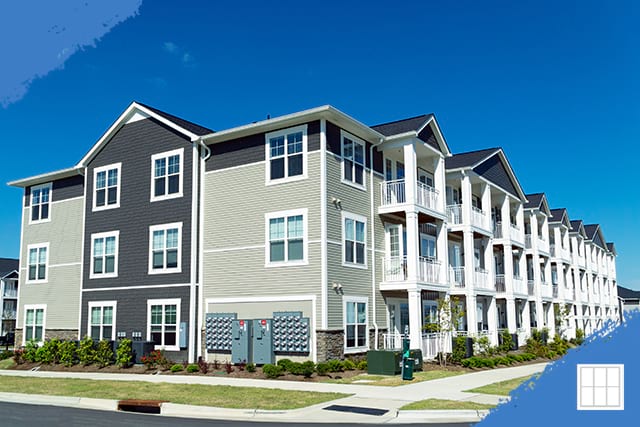
Homeownership vs. Renting in Kansas City: Which Is Right for You?
Deciding whether to buy a home or continue renting is not simply a question of which monthly payment is lower. The right choice depends on your financial readiness, expected time in the home, lifestyle, preferred location, and willingness to take responsibility for maintenance and repairs.
Homeownership can provide long-term stability, the opportunity to build equity, and greater control over your living space. Renting can offer flexibility, lower upfront costs, and fewer property-related responsibilities.
This guide compares homeownership vs. renting in Kansas City so you can evaluate both options based on your current circumstances and future goals.
Already leaning toward buying? Visit our Kansas City home-buying guide to learn what happens from mortgage pre-approval through closing day.
Homeownership vs. Renting at a Glance
| Consideration | Homeownership | Renting |
|---|---|---|
| Upfront cost | Down payment, closing costs, inspections and moving expenses | Security deposit, application fees and initial rent |
| Monthly expense | Mortgage payment plus taxes, insurance, maintenance and possible HOA dues | Monthly rent plus utilities, renters insurance and possible fees |
| Payment stability | Principal and interest can remain stable with a fixed-rate mortgage | Rent may change when the lease renews |
| Equity | Mortgage repayment may build ownership over time | Rent payments do not create ownership in the property |
| Maintenance | The homeowner is generally responsible | The landlord generally handles qualifying repairs |
| Flexibility | Selling or renting out the property can take time and involve costs | Relocating may be easier after the lease ends |
| Personalization | Greater freedom to renovate or modify the property | Changes may be limited by the lease or landlord |
Advantages of Buying a Home
You Can Build Equity Over Time
Part of each mortgage payment may reduce the amount you owe on the home. As the loan balance declines, your ownership interest in the property can increase.
Home equity may also grow if the property’s market value rises, although appreciation is never guaranteed and home values can fluctuate.
A Fixed-Rate Mortgage Can Provide Payment Stability
With a fixed-rate mortgage, the interest rate and scheduled principal-and-interest payment remain unchanged for the loan term.
Your total housing expense can still change because of property taxes, homeowners insurance, mortgage insurance, maintenance costs, or homeowners association dues. However, the fixed principal-and-interest payment can make long-term budgeting more predictable.
When you are ready to evaluate financing, compare current Kansas City mortgage rates and available loan terms.
You Have More Control Over the Property
Homeowners generally have greater freedom to paint, remodel, landscape, install fixtures, and personalize the property, subject to local regulations and any homeowners association restrictions.
Improvements can make the home better suited to your needs, although renovation costs do not always translate into an equal increase in resale value.
Homeownership Can Provide Long-Term Stability
Owning may be appealing when you want to remain in the same community, establish roots, provide consistency for your household, or avoid moving at the end of a lease.
That stability can be especially valuable when your preferred neighborhood, commute, school district, and long-term plans are unlikely to change soon.
You Are Not Subject to Lease-Renewal Decisions
A homeowner does not rely on a landlord to renew a lease or decide whether the property will remain available as a rental.
You still need to make the mortgage payment and meet other ownership obligations, but you generally control how long you remain in the home.
Disadvantages of Buying a Home
Buying Usually Requires More Cash Upfront
Purchasing a home may require funds for a down payment, earnest money, inspection, appraisal, closing costs, prepaid expenses, moving costs, and initial repairs.
A 20% down payment is not required for every mortgage program, but buyers should still plan carefully for the complete cash-to-close amount and maintain savings after the purchase.
Use our mortgage affordability calculator to begin estimating a comfortable purchase range.
You Are Responsible for Maintenance and Repairs
Homeowners must budget for routine maintenance and unexpected repairs. Expenses may include heating and cooling systems, roofing, plumbing, appliances, landscaping, pest control, and general upkeep.
Maintaining an emergency reserve can help prevent a repair from disrupting the household budget.
Moving Can Be More Complicated
Homeownership can reduce flexibility because selling a property requires time and may involve real estate commissions, repairs, moving expenses, and other transaction costs.
Buying may be less attractive when you expect a job relocation, household change, or move to another area in the near future.
Property Values Can Change
A home’s value may rise or fall based on property condition, neighborhood demand, local inventory, broader economic conditions, and other market factors.
Owning for a longer period can provide more time to absorb normal market fluctuations, but there is no guaranteed holding period that produces a profit.
Advantages of Renting
Renting Typically Requires Less Money Upfront
A renter may need to pay an application fee, security deposit, first month’s rent, moving expenses, and possibly other lease-related charges.
That initial cost is often lower than the complete upfront expense of purchasing a home, which can make renting more accessible when savings are limited.
Renting Offers Greater Flexibility
Renting may be appropriate when you expect to move for work, education, family, or lifestyle reasons.
After fulfilling the lease terms, a renter can generally relocate without preparing and selling a property.
The Landlord Usually Handles Major Repairs
Renters are generally not responsible for replacing major property systems or paying for qualifying structural repairs, although lease terms determine each party’s responsibilities.
This can make expenses easier to manage and reduce the time required for property upkeep.
Renting Can Provide Access to Amenities
Some rental communities include amenities such as pools, fitness centers, exterior maintenance, security features, or shared gathering spaces.
These conveniences may be appealing to someone who values a lower-maintenance lifestyle.
Disadvantages of Renting
Monthly Rent Does Not Build Ownership
Rent provides the right to occupy the property for the lease period, but the monthly payment does not create equity for the tenant.
That does not automatically make renting a poor financial decision. The flexibility and lower responsibility may be more valuable than ownership during certain stages of life.
Rent Can Increase
A landlord may adjust rent when a lease renews, subject to the lease and applicable laws.
Renters should consider whether future increases could affect their ability to remain in the property or neighborhood.
Your Ability to Modify the Home May Be Limited
Lease agreements often restrict painting, remodeling, pets, landscaping, fixtures, and other changes.
A renter may need the landlord’s permission before making even relatively minor modifications.
You Have Less Control Over Long-Term Availability
The landlord may decide not to renew the lease, sell the property, occupy it personally, or make another permitted change after the lease expires.
This uncertainty can make renting less appealing to households seeking long-term stability.
Is It Cheaper to Rent or Buy in Kansas City?
There is no single answer for every Kansas City household. Comparing rent with only the mortgage principal-and-interest payment leaves out several important costs.
A realistic homeownership estimate should account for:
- Mortgage principal and interest
- Property taxes
- Homeowners insurance
- Mortgage insurance, when required
- Homeowners association dues
- Routine maintenance
- Expected repairs and replacements
- Closing costs and upfront expenses
A realistic rental estimate should account for:
- Monthly rent
- Renters insurance
- Utilities
- Parking, pet, amenity, or service fees
- Moving costs at future lease changes
- Potential rent increases
The better comparison is not simply rent versus mortgage payment. Compare the total cost of each option over the period you realistically expect to remain in the property.
How Long Do You Expect to Stay?
Your expected time in the home is one of the most important parts of the decision.
Buying and later selling a home can involve substantial transaction costs. If you expect to move soon, there may not be enough time for mortgage principal reduction or possible appreciation to offset those expenses.
Buying may deserve stronger consideration when:
- You expect to remain in the area for several years
- Your employment and income are reasonably stable
- The property fits your foreseeable household needs
- You have sufficient funds for closing and post-closing reserves
- You are comfortable handling maintenance responsibilities
Renting may deserve stronger consideration when:
- Your future location is uncertain
- You expect a job or household change soon
- You need time to improve credit or reduce debt
- You do not yet have sufficient savings
- You prefer not to manage repairs and upkeep
Homeownership vs. Renting at Different Life Stages
Early Career or Frequent Relocation
Renting may provide valuable flexibility when your career, location, or household needs are still changing.
Buying can still be reasonable when your income is stable, you expect to remain in Kansas City, and the home fits both your current and foreseeable needs.
First-Time Home Buyers
First-time buyers should compare the complete monthly payment, upfront expenses, emergency savings, and expected ownership period.
Low-down-payment mortgage options may reduce the amount required upfront, but qualifying for a loan does not necessarily mean the maximum approved payment will be comfortable.
Review available first-time home buyer programs and compare them with your personal budget.
Growing Households
Buying may offer more control over space, bedrooms, outdoor areas, schools, and long-term neighborhood stability.
Renting may remain useful when the household expects another move or is still determining which part of the Kansas City metro will be the best long-term fit.
Empty Nesters and Retirees
Some homeowners prefer to downsize into a smaller property, while others choose to rent to reduce maintenance responsibilities and preserve flexibility.
The decision may depend on retirement income, existing home equity, healthcare needs, proximity to family, and the desire to leave property to heirs.
Kansas City Factors to Consider
The Kansas City housing market includes many communities across Kansas and Missouri. Home prices, property taxes, insurance costs, school districts, commutes, housing age, and maintenance needs can vary significantly by location.
When comparing renting and buying, consider:
- Whether you prefer the Kansas or Missouri side of the metro
- Property taxes for the specific home and municipality
- Homeowners insurance estimates
- Commute time and transportation costs
- School-district preferences
- HOA dues and restrictions
- The age and condition of the property
- Neighborhood inventory and resale demand
Review the latest Kansas City housing market information for additional local context. Market data should inform your decision, but your personal budget and future plans should remain the deciding factors.
Questions to Ask Before Buying a Home
You may be financially and practically ready to buy when you can answer yes to most of these questions:
- Is my income reasonably stable?
- Do I expect to remain in the area?
- Can I cover the down payment and closing costs?
- Will I still have emergency savings after closing?
- Can I comfortably afford the complete monthly housing expense?
- Am I prepared to handle repairs and maintenance?
- Does the property fit my likely needs for the next several years?
- Have I reviewed my credit, debts, and available loan options?
Questions to Ask Before Continuing to Rent
Renting may remain the better choice when you can answer yes to several of these questions:
- Do I expect to relocate soon?
- Would purchasing use most of my available savings?
- Is my income or employment likely to change?
- Do I need time to reduce debt or improve credit?
- Do I prefer a lower-maintenance lifestyle?
- Am I still deciding where I want to live long term?
- Would the homes I can comfortably afford fail to meet my needs?
How Mortgage Pre-Approval Can Help You Decide
You do not need to be fully committed to purchasing before speaking with a mortgage professional.
A mortgage pre-approval can help you understand:
- Your estimated purchase range
- Available loan programs
- Potential down payment options
- Estimated closing costs
- Your projected principal-and-interest payment
- How property taxes and insurance affect the total payment
Having real numbers makes it easier to compare a potential home purchase with your current rent rather than relying on general assumptions.
Learn more about mortgage pre-approval and the documents commonly reviewed during the process.
Should You Buy or Rent in Kansas City?
Buying may make sense when you value stability, expect to remain in the area, have adequate savings, and want the opportunity to build equity over time.
Renting may make sense when flexibility is more important, your future plans are uncertain, or buying would leave too little room in your monthly budget and emergency savings.
Neither option is automatically better. The right decision is the one that supports both your current finances and your realistic plans for the next several years.
Explore Your Kansas City Home-Buying Options
When you are ready to compare renting with the cost of purchasing, start with these resources:
- Buying a Home in Kansas City
- Mortgage Affordability Calculator
- Kansas City Mortgage Rates
- Mortgage Pre-Approval Guide
- Compare Mortgage Loan Programs
Metropolitan Mortgage helps homebuyers throughout Kansas and Missouri compare loan programs, estimated payments, upfront costs, and cash-to-close requirements.
Ready to compare your options? Complete a mortgage pre-approval to receive personalized figures based on your income, credit, available funds, preferred payment, and home-buying goals.

Related Posts