Setting a home-buying budget is one of the most important steps you can take before…
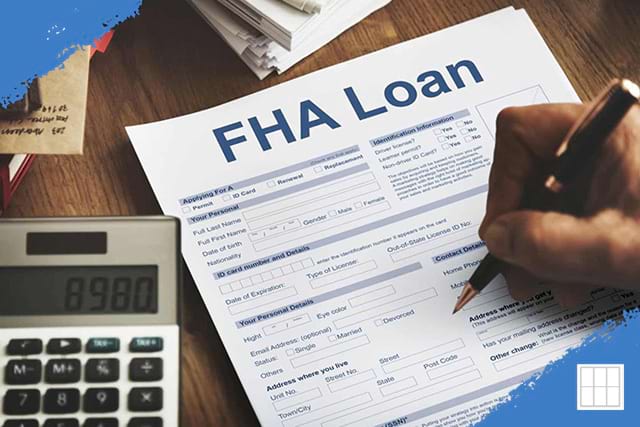
What is an FHA Mortgage Insurance Premium?
Exploring homeownership, especially as a first-time buyer? You’ve likely encountered the term FHA Mortgage Insurance Premium (MIP). While it sounds like complex industry jargon, understanding how MIP works is essential for mapping out your homebuying budget. Here is a clear breakdown of what MIP is, how much it costs, and how it impacts your journey to owning a home.
What is an FHA Loan?
Backed by the Federal Housing Administration (FHA)—a part of the U.S. Department of Housing and Urban Development (HUD)—an FHA loan is designed to make homeownership accessible. These loans are highly popular among buyers with lower credit scores or smaller down payments, requiring as little as 3.5% down.
However, to offer such lenient guidelines, the FHA requires borrowers to pay Mortgage Insurance Premium (MIP). This fee protects lenders from losses if a borrower defaults on the loan, which is exactly what allows financial institutions to offer these flexible terms with significantly less risk.
The Two Parts of FHA Mortgage Insurance Premium (MIP)
Every FHA loan requires MIP, regardless of your down payment size. It consists of two distinct components:
- Upfront MIP (UFMIP): A one-time fee equal to 1.75% of your base loan amount, paid at closing. For example, on a $200,000 loan, this amounts to $3,500. While you can pay this in cash at closing, most buyers choose to roll it into their total loan balance.
- Annual MIP: Despite the name, this fee is divided by 12 and paid monthly as part of your regular mortgage payment. The rate ranges from 0.45% to 1.05%, depending on your loan amount, loan term, and loan-to-value (LTV) ratio. For a standard $200,000 loan with a 0.85% premium, this adds roughly $141.67 to your monthly payment.
How Long Do You Have to Pay MIP?
Unlike conventional private mortgage insurance (PMI), which can be dropped automatically once you build enough equity, FHA MIP duration is strictly determined by your initial down payment:
- Down payment of 10% or more: You will pay the annual MIP for 11 years.
- Down payment of less than 10%: You will pay the annual MIP for the entire life of the loan (unless you refinance into a non-FHA mortgage down the road).
MIP in Action: A Real Dollar Example
To see how MIP shifts your actual numbers, let’s look at a scenario based on a 3.5% down payment on a $200,000 loan balance:
| Loan Metric | Cost Breakdown |
|---|---|
| Base Loan Amount | $200,000 |
| Upfront MIP (1.75%) | $3,500 (Typically financed into the loan) |
| Total Financed Loan Amount | $203,500 |
| Monthly MIP Payment (Estimated at 0.85%) | ~$141.67 per month ($1,700 annually) |
Your total monthly mortgage check will combine your principal, interest, property taxes, homeowners insurance, and this monthly MIP allocation. Ready to see how these numbers look for your specific budget? Use our interactive FHA mortgage calculator to get a personalized cost breakdown instantly.
Can You Avoid or Remove FHA MIP?
Because FHA guidelines are rigid, you cannot simply request to cancel MIP when your home value increases. However, you do have strategic options to eliminate or bypass the cost:
- Refinance into a Conventional Loan: This is the most common exit strategy. Once your home’s value grows or you pay down your principle to hit 20% equity, you can refinance into a conventional mortgage and completely remove mortgage insurance.
- Make a Larger Down Payment: Putting down 10% or more ensures that your MIP obligation expires automatically after 11 years, saving you thousands over a 30-year term.
- Explore Alternative Loan Programs: If you have military ties, a VA loan requires no monthly mortgage insurance. If you are buying in a qualifying rural or suburban area, a USDA loan might offer lower overall insurance costs.
Is an FHA Loan Right for Your Goals?
While MIP increases the overall cost of borrowing, it remains a highly valuable trade-off. Without it, buying a home with a lower credit score or minimal cash reserves would be nearly impossible for millions of Americans. It is simply the price of admission for exceptional loan flexibility.
The right choice depends entirely on your current financial health, credit profile, and how long you plan to stay in the home. Connect with a local loan officer today to compare personalized FHA and conventional scenarios side-by-side so you can make an empowered decision.

Related Posts