Can I Buy a Home with Student Loans? 2026 Guide for KS & MO Borrowers…
Mortgage FAQs: The 15 Most Asked Questions Answered (2026 Guide)
In this comprehensive guide, we’ll tackle the 15 most frequently asked questions about mortgages, based on common inquiries from borrowers. We’ll provide clear, up-to-date answers for 2026, including insights into current market conditions where rates hover in the mid-6% range for 30-year fixed loans. By the end, you’ll feel more confident navigating the mortgage process.
1. How Much House Can I Afford?
This is the top question for most buyers. Lenders use your debt-to-income (DTI) ratio—typically your total monthly debts divided by gross monthly income—to determine affordability. A common benchmark is a DTI under 43%, though many lenders prefer 36% or lower for comfort.
In 2026, with median home prices around $415,000 and average 30-year rates near 6.8-7%, experts recommend your housing payment (principal, interest, taxes, insurance—PITI) shouldn’t exceed 28-30% of your gross income. Use online calculators, but get pre-approved for an accurate picture. Pre-approval also strengthens your offers in a competitive market.
2. What Credit Score Do I Need to Get a Mortgage?
Credit scores heavily influence approval and rates. Minimums vary by loan type:
- Conventional loans: 620 (ideally 740+ for best rates)
- FHA loans: 580 (or 500 with 10% down)
- VA/USDA loans: No strict minimum, but often 620+
A score above 760 can secure the lowest rates, potentially saving thousands over the loan’s life. Check your credit early—errors are common—and aim to improve it by paying down debt and avoiding new inquiries.
3. How Much Down Payment Do I Need?
The myth of needing a 20% down payment persists, but it’s not always true. Options include:
- 3-5% down for HomeReady or conventional first-time buyer programs.
- 3.5% for FHA loans.
- 0% down for VA loans or USDA loans (for eligible borrowers).
Putting down 20% avoids private mortgage insurance (PMI), which adds $100-300+ monthly on average loans.
4. What Is the Difference Between Pre-Qualification and Pre-Approval?
Pre-qualification is a quick, informal estimate based on self-reported info—no credit check required. Pre-approval involves a full application, credit pull, and document verification, giving you a conditional commitment letter. Sellers prefer pre-approval as it shows you’re serious; in hot markets, it’s essential to make your offer stand out.
5. What Types of Mortgages Are Available?
Common options include:
- Fixed-rate: Predictable payments; rates locked for the full term.
- Adjustable-rate (ARM): Lower initial rate, then adjusts—risky if rates rise.
- Jumbo Loans: For luxury homes exceeding $832,750 (2026 conforming limit).
- Vacation & Second Home Loans: For seasonal properties or getaways.
6. What’s the Difference Between Interest Rate and APR?
The interest rate is the cost of borrowing the principal. APR (Annual Percentage Rate) includes the rate plus fees (origination, points, etc.), giving a fuller cost picture. When comparing mortgage rates in Kansas City, you will notice the APR is typically higher than the base rate because it accounts for these additional closing costs.
7. How Do Mortgage Rates Work, and What Impacts Them?
Rates fluctuate daily based on economic factors, inflation, and Fed policy. In early 2026, 30-year fixed rates are in the 6.5-7% range. Your personal rate depends on credit, down payment, and loan type. Consider a “rate lock” once you find a home to protect against sudden increases.
8. Should I Buy Mortgage Points?
Points (1 point = 1% of loan amount) lower your rate by about 0.25%. It makes sense if you plan to stay in the home for 5+ years—the “break-even” period. In the current high-rate environment, buying points is a popular way to lower long-term monthly costs.
9. What Is Private Mortgage Insurance (PMI), and How Do I Avoid It?
PMI protects the lender if you default, required on conventional loans with less than 20% down. It costs roughly 0.5-1% of the loan annually. You can avoid it with a 20% down payment or by using VA loans which do not require PMI.
10. What Closing Costs Should I Expect?
Typically closing costs are 1-2% of the home price. This includes appraisal fees, title insurance, and origination fees. Ask for a Loan Estimate form within 3 days of applying—it’s standardized for easy comparison.
11. How Long Does the Mortgage Process Take?
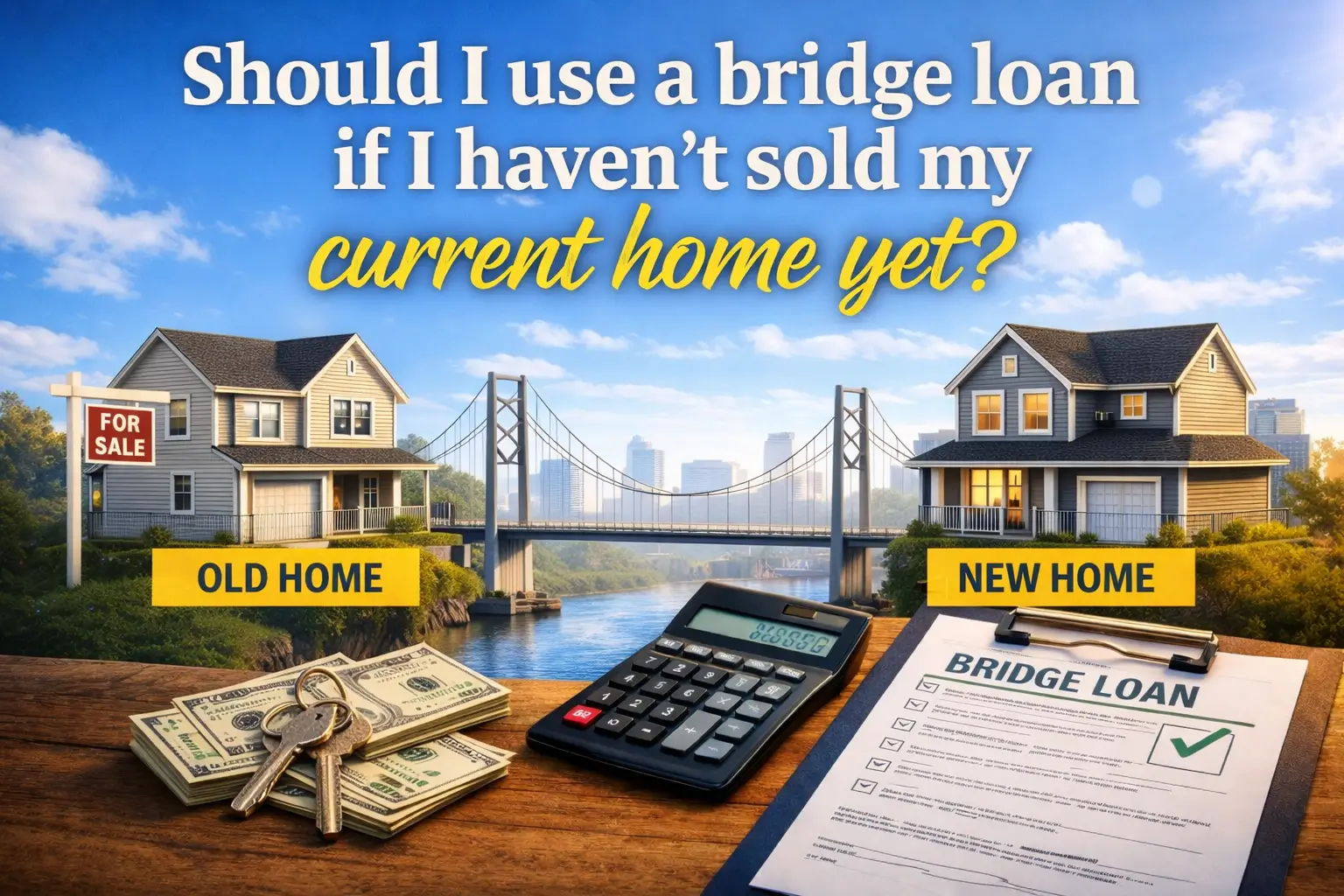
From application to closing, it takes 30-45 days on average in 2026. However, if you are using a Bridge Loan to buy before you sell your current home, the timeline and requirements may differ. Staying responsive with documents helps avoid holdups.
12. What Documents Will I Need?
Expect to provide pay stubs, W-2s (2 years), bank statements, and ID. If you are applying as a self-employed borrower, you may need to provide profit/loss statements or explore bank statement loans if you don’t use traditional tax returns.
13. Can I Get a Mortgage with Bad Credit or Past Issues?
Yes! FHA allows scores as low as 580. Additionally, DSCR loans are available for investors which focus on property cash flow rather than personal income or credit history.
14. Is Now a Good Time to Buy or Should I Wait for Lower Rates?
Timing the market is impossible. In 2026, rates have stabilized, but waiting risks higher home prices. Focus on affordability: if you can comfortably afford the payment, “Marry the house, date the rate”—you can always refinance if rates drop later.
15. What Happens If I Can’t Make Payments?
Contact your lender immediately. Options include forbearance or loan modification. If you are an investor with an investment property, the rental income and cash flow strategy should have a buffer for vacancies or economic shifts.
Final Thoughts: Empower Yourself in the Mortgage Process
Taking out a mortgage doesn’t have to be intimidating. Shop at least 1-3 lenders, ask these questions upfront, and work with a trusted loan officer. In 2026, with stabilizing rates and more buyer-friendly programs, opportunities abound—especially for first-timers.
Ready to start? The best mortgage fits your life, not just the lowest rate. Get pre-approved today and turn those homeownership dreams into reality.

Related Posts